MZ

To start navigating Metamorphic Zone, please rotate your device 90 degrees to navigate it horizontally.

Sensing

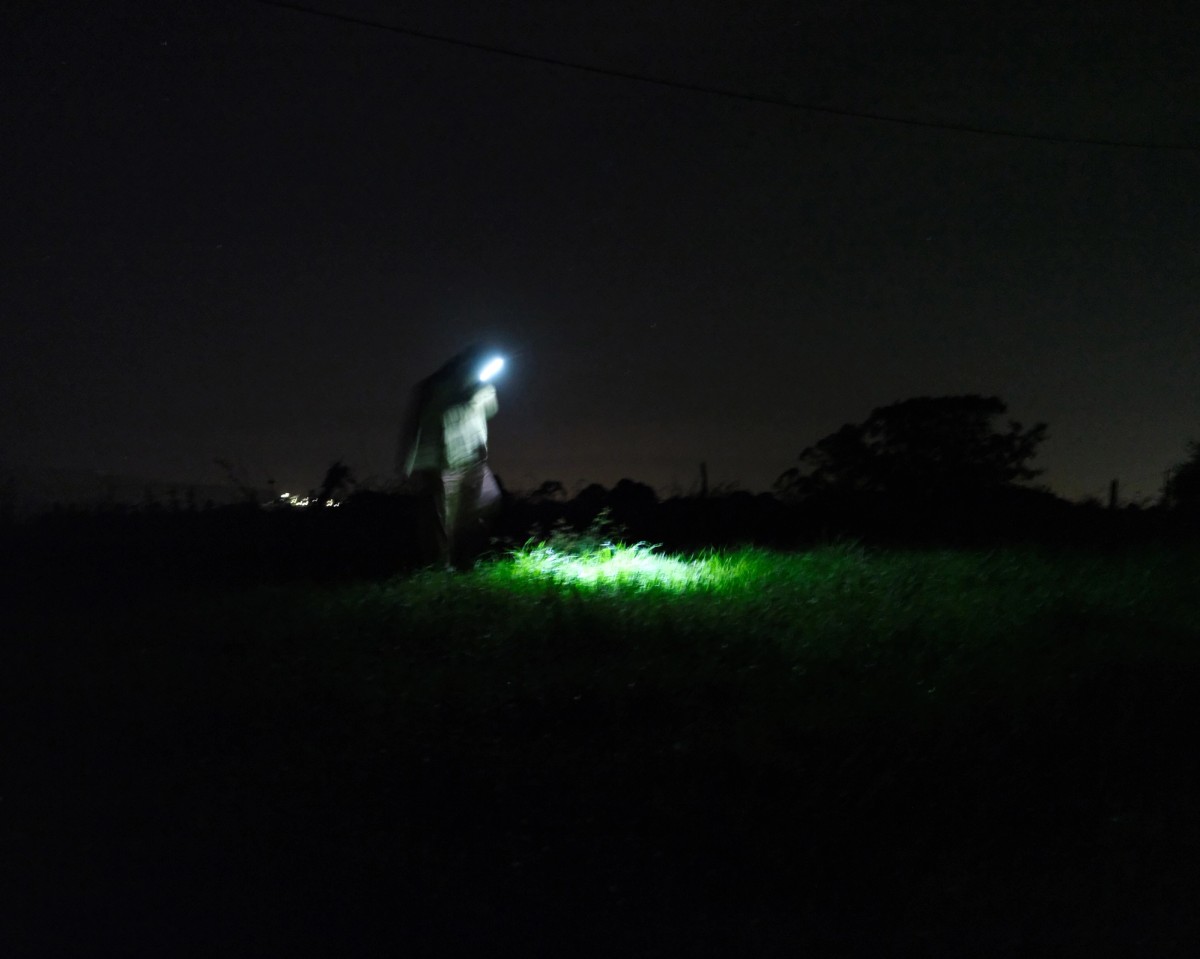
Hearing workshop in Altamira, Spain (for Mediating the Void), Valentin Bansac, 2024.

“Urban intelligence involves site-based experience, participant observation, and sensory engagement. We need new models for thinking about cities that do not compute.” For media theorist Shannon Mattern, in A City Is Not a Computer (2021),the act of sensing represents much more than what sensors do. Sensing is the bodily exploration of our environment – the body being human, animal, machinic, or more. It involves all senses and offers the possibilities for “noticing” – a mode of attention that redistributes agency between human and non-human observers – as an alternative way to comprehend what surrounds us.

Working with do-it-yourself sensors and participatory communities, researcher Jennifer Gabrys, in How to Do Things with Sensors (2019), develops a kind of collaboration of minds between so-called "artificial" and “natural” intelligences that build an infrastructure of nerves for environmental sensing through citizen engagement. For Gabrys, “practices of monitoring and sensing environments have migrated to a number of everyday participatory applications”. With sensing comes the notion of monitoring, and thus simulation. Via simulations and with the collaboration of algorithms, humans project certain representations of the world, or the worlds we live in, which therefore inform how we understand them. Monitoring becomes operational, giving citizens potential for active participation in the making of their surroundings.
×

Sensing, Sensors, Archives, Databases

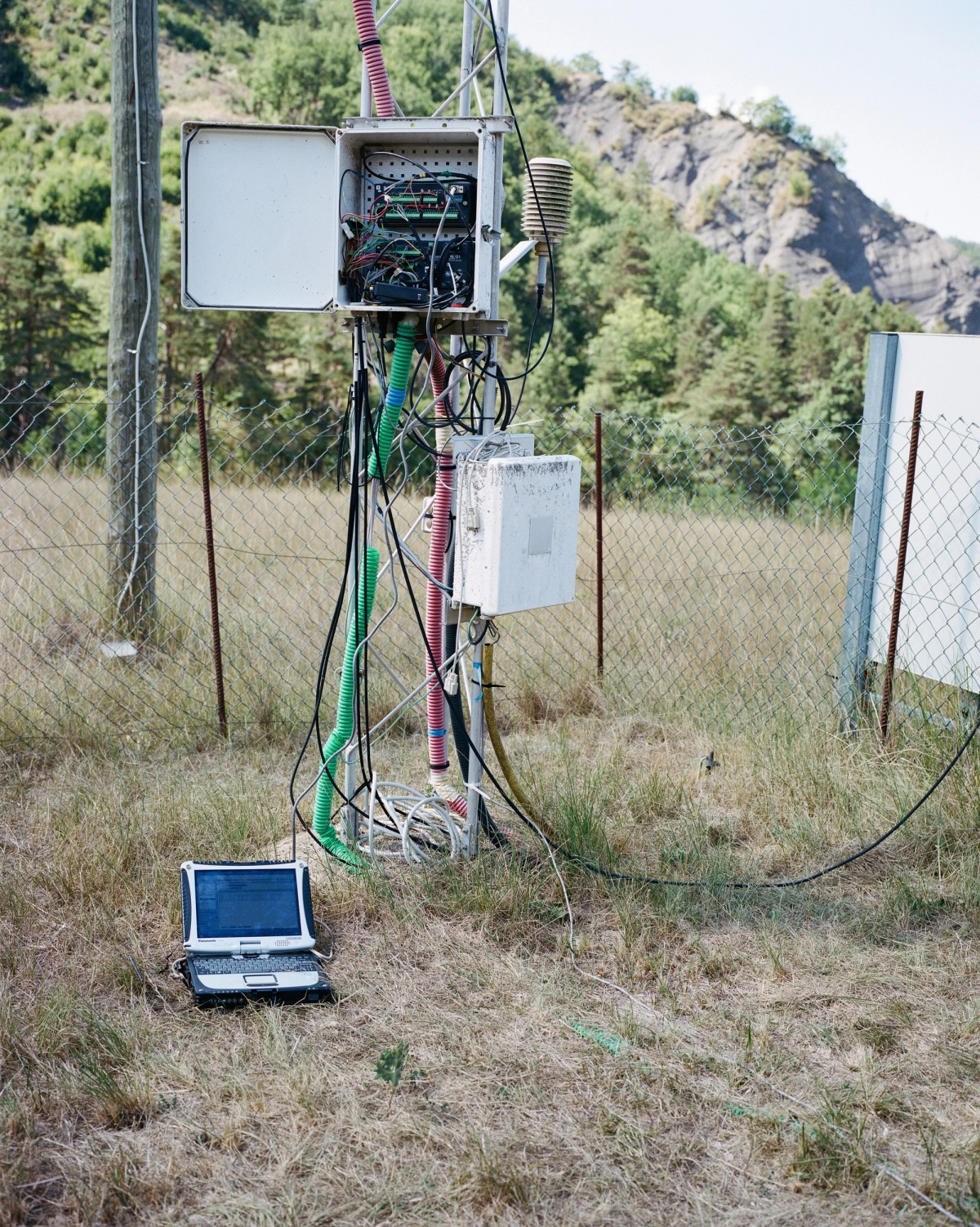
In Accumulation: The Art, Architecture, and Media of Climate Change (e-flux Architecture, 2022), the editors argue that “The climate is not the weather. Weather can be experienced, but to understand climate, media is necessary.” This sentence encapsulates the universal attempts by human societies to monitor, write, comprehend, store, analyze, and predict the sensory information that characterizes the ever-evolving nature of the ecosystems we inhabit. However, what we sense and archive remains subject to how this information is collected and through which technologies it is measured; for Michael Hamilton and his colleagues (2007), “environmental knowledge is co-produced by sensing infrastructures”. In that regard, these practices and technologies turn ecological relationships into media – sensed, archived, and computed in turn.

Sensing exceeds what sensors do: it is the embodied, attentive, and often collective act of noticing what formal monitoring infrastructures are not designed to register. Sensors, by contrast, are the material mediators that translate this noticing into data; their dissemination and calibration constitute a practice as much as a technology. Archives transcend mere collections of elements, yet the explosion of digital content risks privileging the calculable over the transmission of sensitive knowledge that defies quantification. Databases are the infrastructure through which queries travel; far from neutral containers, they actively construct what we consider facts. Together, they trace our relationship with what we consider the environment – through present, past, and therefore future ecological entanglements between humans and non-humans, through practice and technology, via simulation and storytelling.

×