MZ

To start navigating Metamorphic Zone, please rotate your device 90 degrees to navigate it horizontally.

Archive

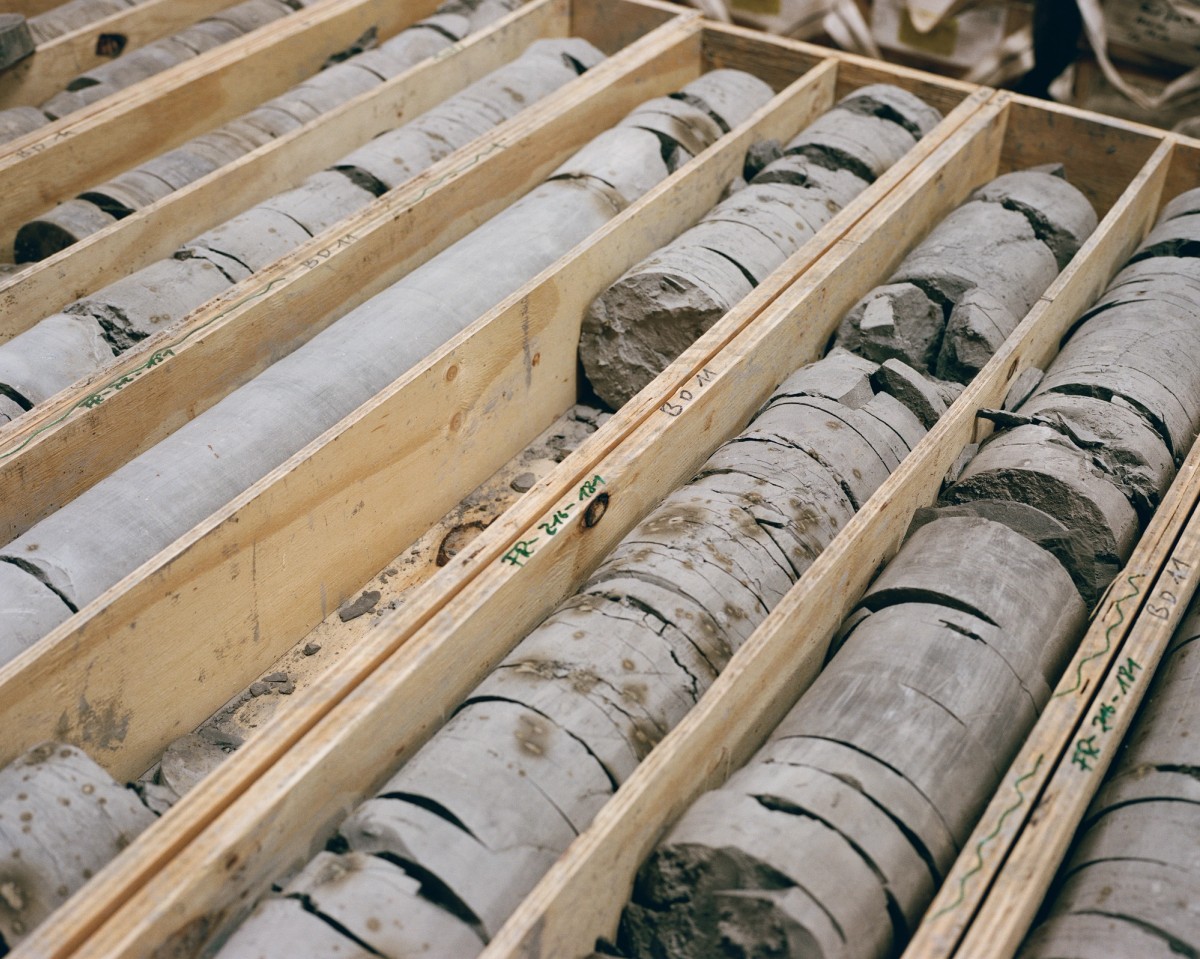
Geologic Service of Luxembourg (for Soils Archives: Digging for Thick Commons), Valentin Bansac, 2025.

What is the meaning of an archive? Archives are to be regarded as beyond a collection of elements. Archives have existed long before the advent of computational technologies. However, in an era of an exploding amount of digital content through automation, artificial intelligence and the accumulation of data, there exists a paradox regarding the quality of such information. Quantity often seems to be preferred over quality, as data can be processed through increasedcomputing power. Yet, archiving is not just about analytics and probabilities.

Along with new content comes the growing number of data centers that, together with the infrastructure of energy and information that supports them, expand the impact we have on the land and the atmosphere. This is the environmental cost of the global digital infrastructure. In the current paradigm, numbers are considered more effective than century-long cultural and ecological practices regarding climate. Archives should, however, be understood as more than a compilation of quantitative and qualitative data, as they support the transmission of sensitive knowledge as well. As information remains concentrated within very few infrastructures, archives must exist through alternative means, as Michel Foucault suggests with the concept of Anarchaeology in a lecture series at Collège de France in Paris entitled Du gouvernement des vivants (1980) – an approach to what resists blackboxing.
×

Sensing, Sensors, Archives, Databases

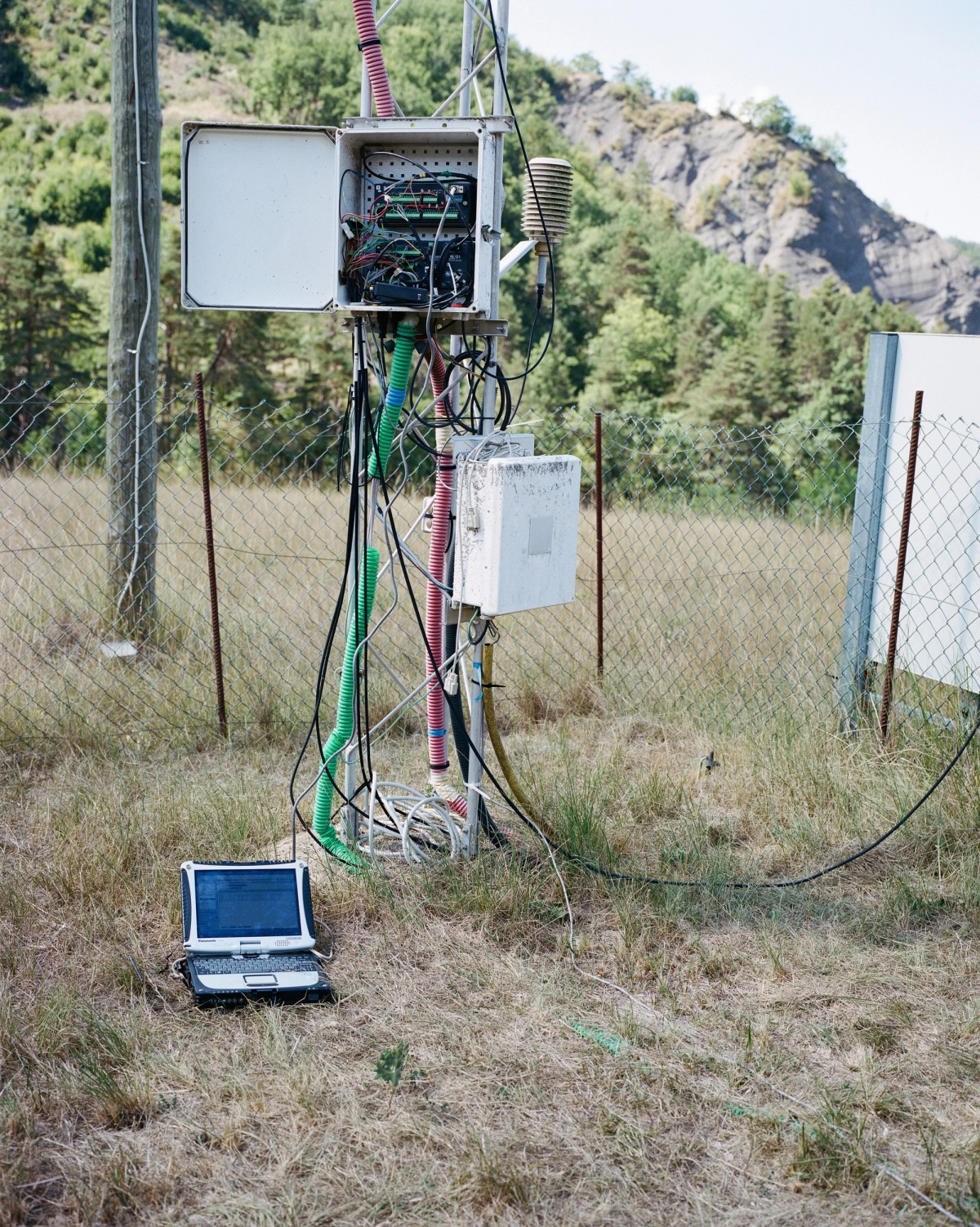
In Accumulation: The Art, Architecture, and Media of Climate Change (e-flux Architecture, 2022), the editors argue that “The climate is not the weather. Weather can be experienced, but to understand climate, media is necessary.” This sentence encapsulates the universal attempts by human societies to monitor, write, comprehend, store, analyze, and predict the sensory information that characterizes the ever-evolving nature of the ecosystems we inhabit. However, what we sense and archive remains subject to how this information is collected and through which technologies it is measured; for Michael Hamilton and his colleagues (2007), “environmental knowledge is co-produced by sensing infrastructures”. In that regard, these practices and technologies turn ecological relationships into media – sensed, archived, and computed in turn.

Sensing exceeds what sensors do: it is the embodied, attentive, and often collective act of noticing what formal monitoring infrastructures are not designed to register. Sensors, by contrast, are the material mediators that translate this noticing into data; their dissemination and calibration constitute a practice as much as a technology. Archives transcend mere collections of elements, yet the explosion of digital content risks privileging the calculable over the transmission of sensitive knowledge that defies quantification. Databases are the infrastructure through which queries travel; far from neutral containers, they actively construct what we consider facts. Together, they trace our relationship with what we consider the environment – through present, past, and therefore future ecological entanglements between humans and non-humans, through practice and technology, via simulation and storytelling.

×